Where creativity meets connection

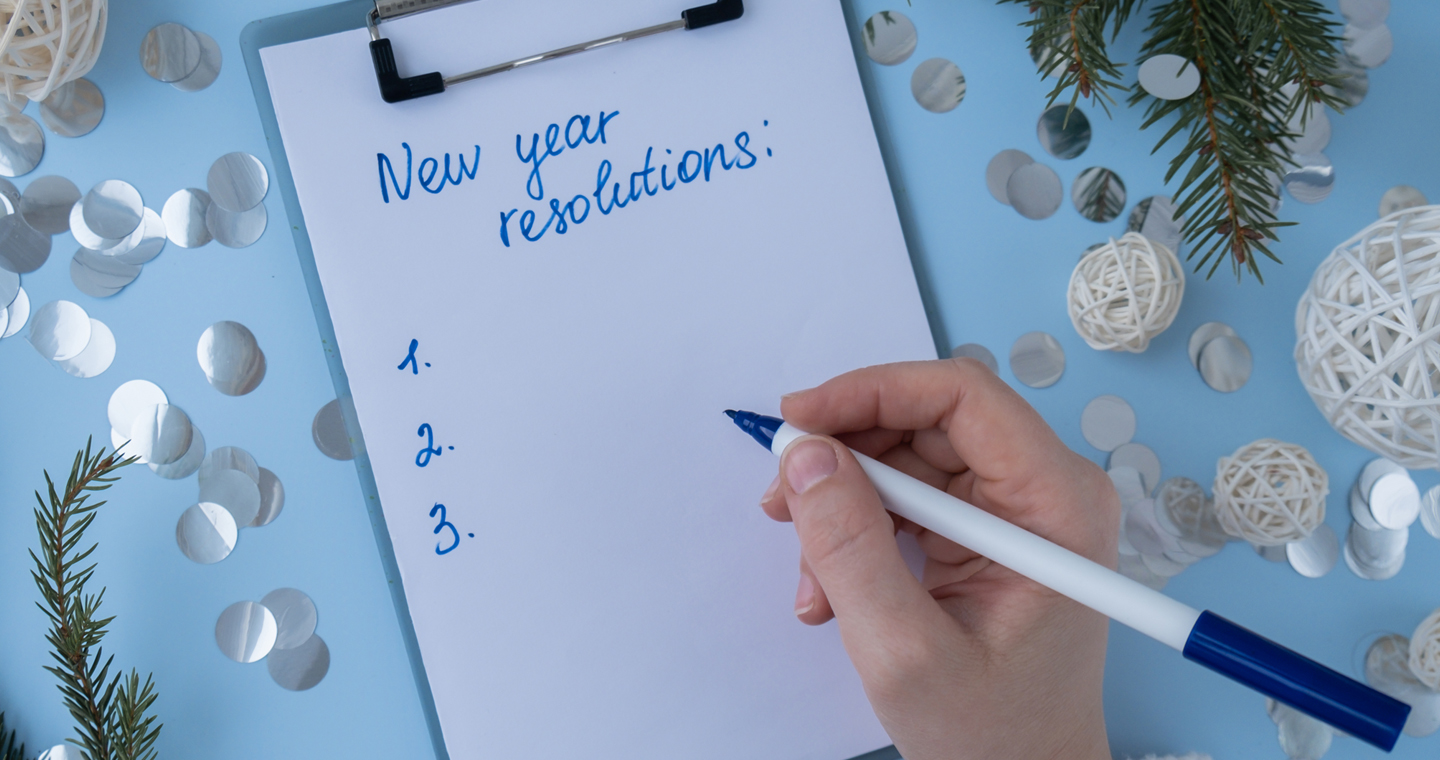
I made it three days.
Three days into my resolution to "finally get fit" before I found myself on the sofa at 9pm, elbow-deep in a packet of biscuits, gazing slack-jawed at the odd science fiction majesty of Apple TV’s Pluribus. The gym bag has turned into a trip hazard by the front door, untouched since New Year's Day.
And you know what? I felt rubbish about it. Properly rubbish.
But here's what I've since learnt: I'm not weak. I'm not lazy. I'm just incredibly, statistically normal.
The Numbers Don't Lie (And They're Oddly Comforting)
Turns out, 88% of people who set New Year's resolutions fail before the end of January. There's even a name for the day most of us give up: "Quitter's Day," which falls on the second Friday in January.
Let that sink in.
Nearly nine out of ten people abandon their resolutions within weeks. Only 9% actually keep them through the year.
This isn't a personal failing. This is a design flaw in the entire system.
We've been sold this idea that January 1st holds some magical power to transform us. That midnight somehow erases our habits, our circumstances, our actual lives. That this arbitrary date on a calendar should be the moment we suddenly become different people.
It's nonsense.
Why We Keep Setting Ourselves Up to Fail
I've spent years wondering why I couldn't stick to resolutions. Often, on the walk home from another raucous NYE party, I’d convince myself that THIS would be the year I’d quit smoking and wave farewell to my dough-like physique.
Was I just rubbish at commitment? Did I lack discipline?
Turns out, the problem wasn't me. The problem was the resolutions themselves.
Most resolutions fail because they're too big, too vague, or rooted in shame. We set goals based on what we think we should want, not what we actually want. We're chasing beach bodies because Instagram tells us to. We're picking up hobbies because they're trending on social media.
When your resolution comes from external pressure rather than genuine desire, failure isn't just likely. It's inevitable.
I wanted to "get fit" because I thought I should. Because everyone around me was talking about gym memberships and meal prep. Because society says January is for self-improvement.
But did I actually want to wake up at 6am to run in the freezing cold? No. Did I enjoy the gym? Also no.
I was trying to force myself into someone else's version of success.
The All-or-Nothing Trap That Keeps Us Stuck
Here's where it gets interesting.
The thing that generally dooms resolutions isn't the initial slip-up. It's what happens next. You miss one workout. You eat one biscuit. You skip one day of your new routine.
And then the voice in your head starts: "Well, I've already ruined it. Might as well give up entirely."
Get ready for the science. Researchers call this the abstinence violation effect. It comes from addiction research, and it describes what happens when we treat any deviation from our goal as complete failure. Someone skips a workout, beats themselves up about it, then binges Netflix to deal with the shame and guilt.
The self-criticism doesn't motivate us. It makes us abandon the goal entirely.
I've done this more times than I can count. One missed gym session becomes a week. One week becomes a month. Before I know it, it's February, and I've convinced myself I'm just not the kind of person who exercises.
The problem isn't the missed workout. The problem is treating that missed workout as evidence of fundamental failure rather than just a normal day.
The Quiet Revolution Happening Right Now
Something's shifting, though.
Whilst 80% of people still plan to make New Year's resolutions in 2026, many are doing it differently. They're setting smaller, more flexible goals. They're choosing to slow down (68%), put less pressure on themselves (38%), and simply enjoy life (29%).
People are ditching the pressure entirely.
42% admit they don't have the headspace for major life changes. 38% are done with strict diets and exercise regimes. 35% aren't chasing career progression this year.
This isn't giving up. This is getting real.
The reasons resolutions fail tell the whole story: lack of motivation (33%), heavy workloads (18%), and mental health struggles top the list. We're not failing because we're weak. We're failing because we're human beings living complex lives in a world that demands too much.

What Actually Works (And It's Surprisingly Gentle)
I've learnt something crucial: being kind to yourself isn't soft. It's strategic.
Research shows that when people treat themselves with compassion rather than criticism, they're more likely to believe they can improve, correct mistakes, and re-engage with goals after veering off course.
Higher levels of self-compassion are linked to increased happiness, optimism, curiosity and connectedness. Lower anxiety, depression, rumination and fear of failure.
Self-criticism, on the other hand, is linked to procrastination, stress, and rumination. None of which help you achieve anything.
Here's what I'm doing differently now:
I'm starting small.
Not "get fit." Not "go to the gym five times a week." Just "move my body in a way that feels good, when I can." Have you ever noticed that trips across town can often be done quicker on foot, instead of taking the car?
I'm removing the deadline.
January 1st is just another day. Real transformation begins whenever I choose a rhythm that matches who I am and the life I want to create.
I'm treating slip-ups as data, not failure.
Missed a day? Ended up in the pub? That's information about what's realistic for me right now. Not evidence that I'm hopeless.
I'm checking my motivation.
Am I doing this because I want to, or because I think I should? If it's the latter, I'm not doing it.
The Surprising Truth About Repeated "Failure"
Here's something that might surprise you: 60% of us suffer from what researchers call The False Hope Syndrome. We vow an average of 10 times to keep a resolution we've failed at in previous years.
You might think that's depressing. I think it's beautiful.
It means we don't give up. We keep trying. We keep believing we can change.
And here's the kicker: 46% of people who make a resolution are still keeping it after six months. Compare that to only 8% of people with similar goals but no set resolution.
Setting intentions matters. We just need to set better ones.
What I'm Doing Instead This Year
I'm not making resolutions anymore. I'm making choices.
I'm choosing to notice when I feel good in my body and do more of that. Sometimes that's a walk. Sometimes that's dancing in my kitchen. Sometimes that's resting.
I'm choosing to check in with myself regularly. Not to judge whether I'm succeeding or failing, but to notice what's working and what isn't.
I'm choosing to celebrate small things. I moved today. I ate something nourishing. I went to bed when I was tired.
These aren't impressive. They won't make good Instagram posts. But they're sustainable.
And sustainability beats intensity every single time.
The Permission You've Been Waiting For
If you've already "failed" your New Year's resolution, you haven't failed anything.
You've just discovered that particular approach doesn't work for you, in your actual life, with your actual circumstances.
That's valuable information.
You can start again tomorrow. Or next week. Or in March. Or never, if the goal wasn't really yours to begin with.
The calendar doesn't control your capacity for change. You do.
And change doesn't happen because you bully yourself into it on January 1st. It happens when you find something that genuinely matters to you, break it down into manageable pieces, and treat yourself with enough compassion to keep going when things get hard.
I failed my resolution by January 3rd.
But I'm still here. Still moving. Still learning what works for me.
And that's not failure. That's just life.

Mark O'Donnell
Featured guides

Stay in the loop
Keep up to date with latest news, guides and events with the SALT newsletter.